Flowers can offer comfort when words feel difficult to find. A thoughtfully chosen funeral tribute can honor a loved one’s personality, relationships, interests, and the memories shared with family and friends. Rather than choosing an arrangement based only on appearance, families can use flowers to tell a meaningful story. Color, flower type, shape, size, symbolism, and placement can all contribute to a tribute that feels personal and sincere. Planning these details may also give family members a tangible way to participate in the memorial process.
Personalization does not require an elaborate design or an unlimited budget. Even small choices can make an arrangement feel connected to the person being remembered. A favorite bloom, a meaningful ribbon color, a treasured photograph, or an item related to a hobby can transform a traditional display into something unique. According to American Floral Endowment, funeral directors report that approximately 64% of clients discuss flowers and plants. This reflects how often floral tributes become part of conversations about remembrance. A florist can help families turn personal details into a cohesive design.
Choosing Meaningful Flowers
Begin by considering flowers that held significance for your loved one. They may have grown roses in the garden, carried daisies at their wedding, enjoyed lilies during the spring, or always kept sunflowers in the kitchen. Picking a flower tied to a specific memory can make the tribute feel intimate and recognizable. Family members may also associate certain blooms with holidays, anniversaries, vacations, or traditions. These connections often matter more than funeral tradition alone.
If a favorite flower is unavailable or out of season, a florist can suggest a similar alternative in color, shape, or meaning. You may also use one special bloom as a focal point and surround it with complementary flowers and greenery. Experienced funeral flower services can explain which varieties are durable enough for a service and which work best in standing sprays, casket pieces, wreaths, or vase arrangements. This guidance preserves the meaning while supporting a fresh, balanced design.
Choosing Personal Colors
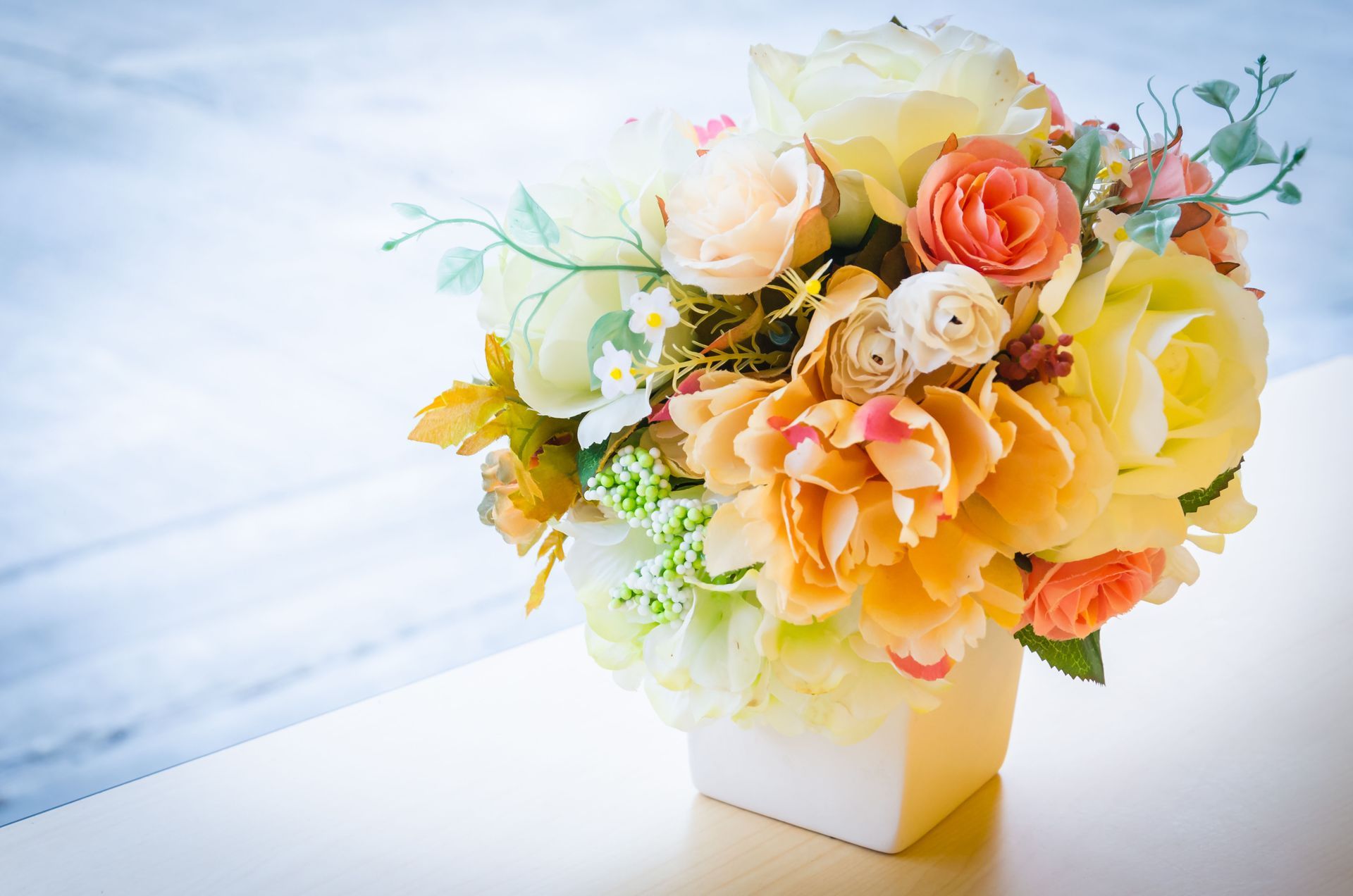
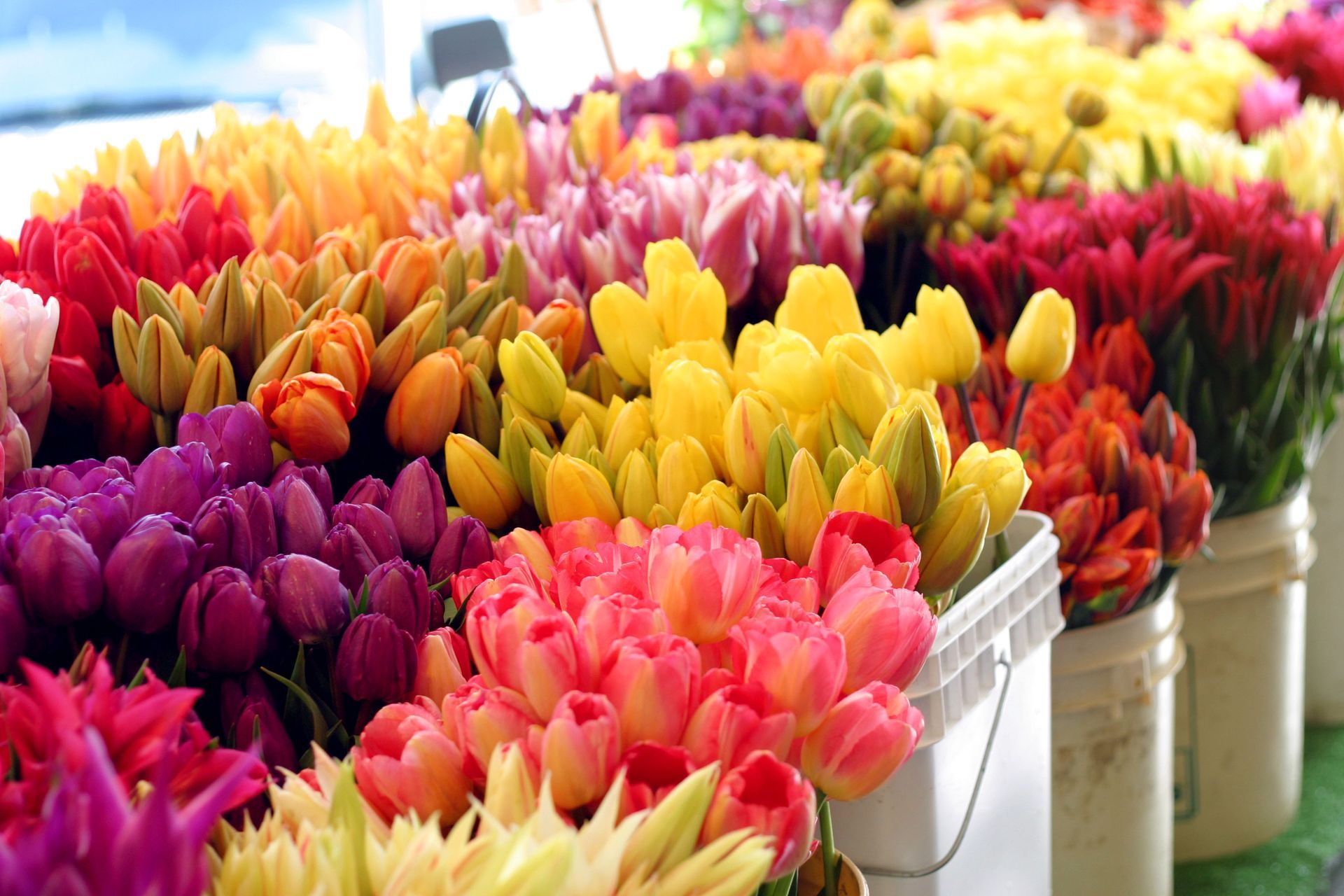
Color can immediately communicate personality and mood. Soft whites, creams, and pale blues may create a peaceful appearance, while bright yellows, oranges, and pinks can reflect warmth, optimism, or a lively spirit. Deep reds, purples, and burgundy tones may feel elegant and expressive. Consider your loved one’s favorite colors, the shades they wore often, the colors used in their home, or hues connected to a school, military branch, cultural tradition, or meaningful organization.
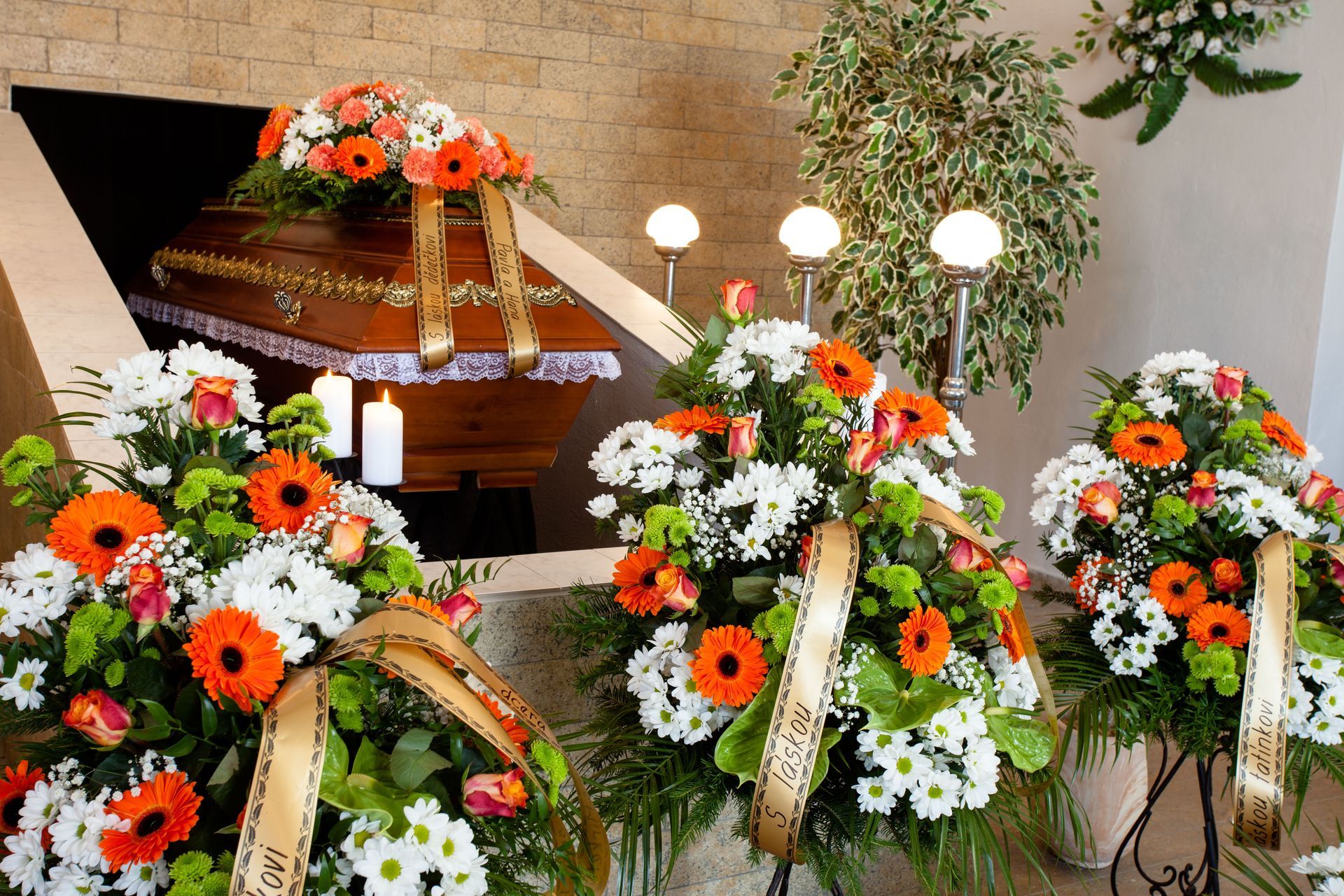
A personalized palette can include one dominant color or several shades that work together. The design does not need to follow traditional expectations if another combination feels more appropriate. A florist can balance bold and subtle tones so the tribute looks intentional rather than crowded. Funeral flower services can also coordinate multiple family arrangements, helping sprays, wreaths, baskets, and table flowers complement one another without appearing identical. This creates unity while allowing each tribute to express a different relationship or memory.
Incorporating Favorite Hobbies
Interests and hobbies can provide meaningful inspiration for a funeral flower tribute. A person who loved fishing might be honored with lake-inspired colors and natural greenery. Someone devoted to gardening may be remembered with loose, garden-style flowers. A sports fan’s tribute could include team colors, while a musician’s arrangement might incorporate a small instrument symbol, sheet music, or a decorative note. The goal is to include details that feel true to the individual without making the display overly themed.
Personal objects should be chosen carefully so they can be placed safely and respectfully. Small keepsakes, tools, ribbons, pins, or replicas often work better than valuable or fragile originals. Photos can sometimes be mounted near the flowers, and lightweight objects may be integrated into the design. Funeral flower services can help determine how to include these elements without damaging them or distracting from the arrangement. A well-placed item can prompt stories and familiar memories.
Reflecting Important Relationships
A tribute can also represent the relationships that shaped your loved one’s life. Children, grandchildren, siblings, friends, coworkers, and community members may each remember the person differently. Separate arrangements can express these connections through flower choices, card messages, or design styles. For example, grandchildren might choose cheerful blooms, while a spouse may choose flowers from a wedding bouquet or anniversary tradition. Together, these contributions can create a fuller picture of the person.
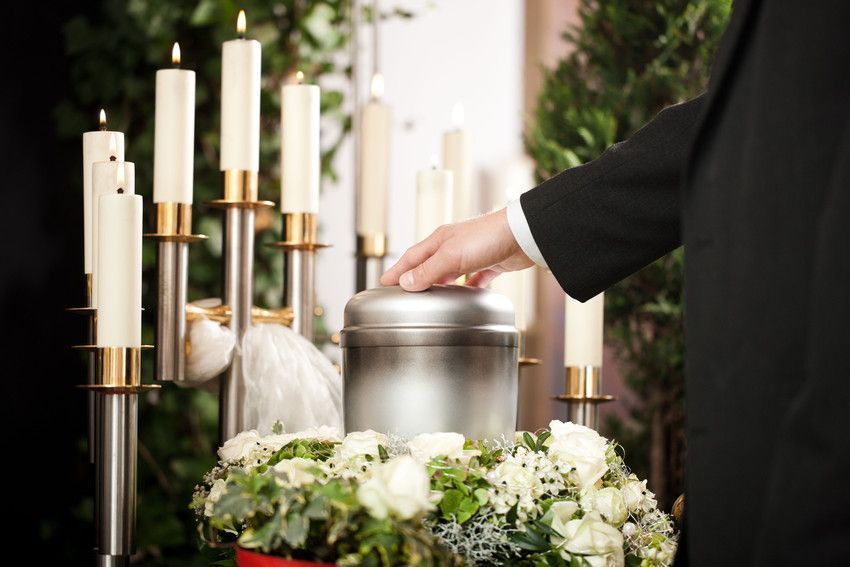
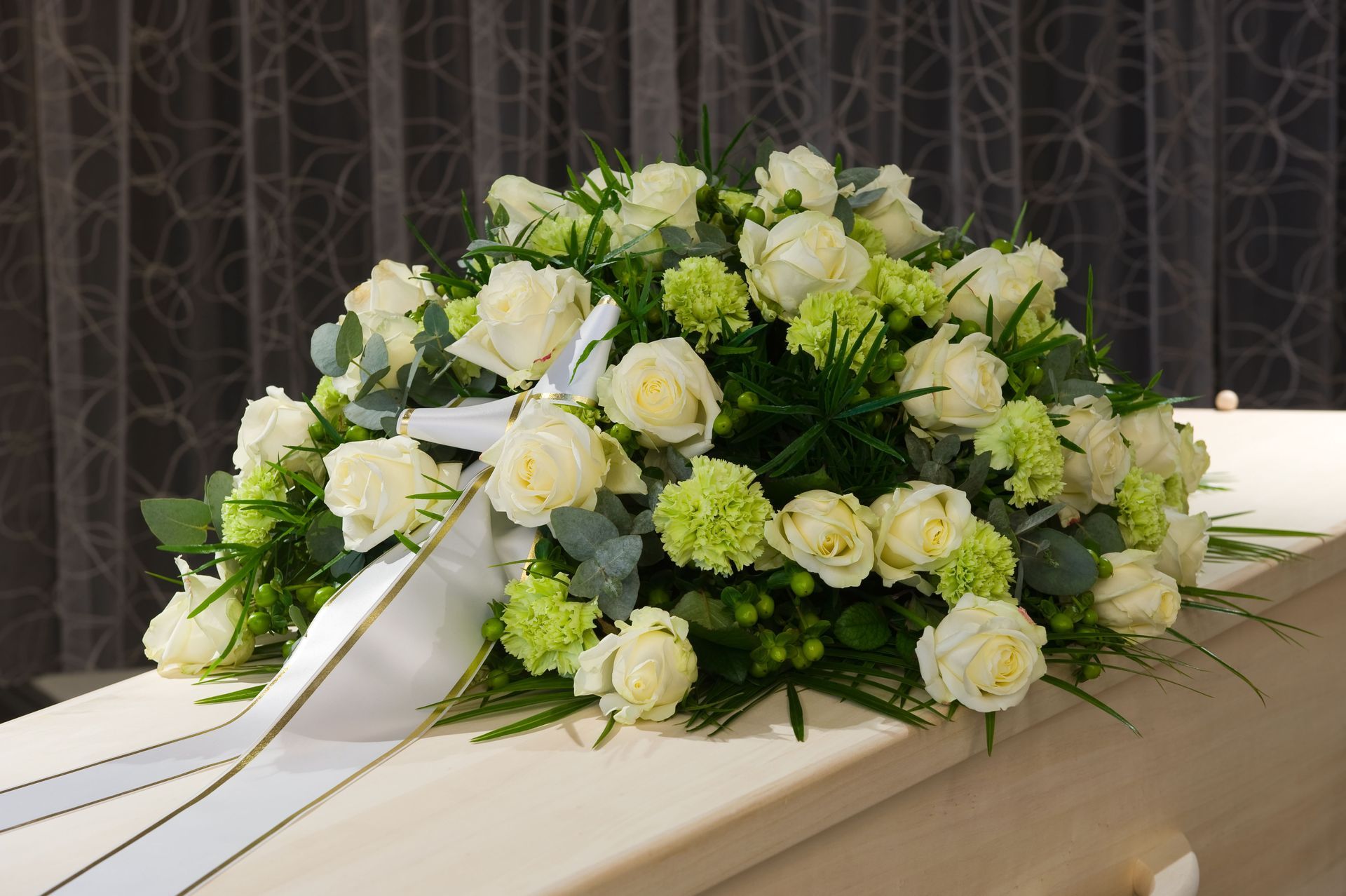
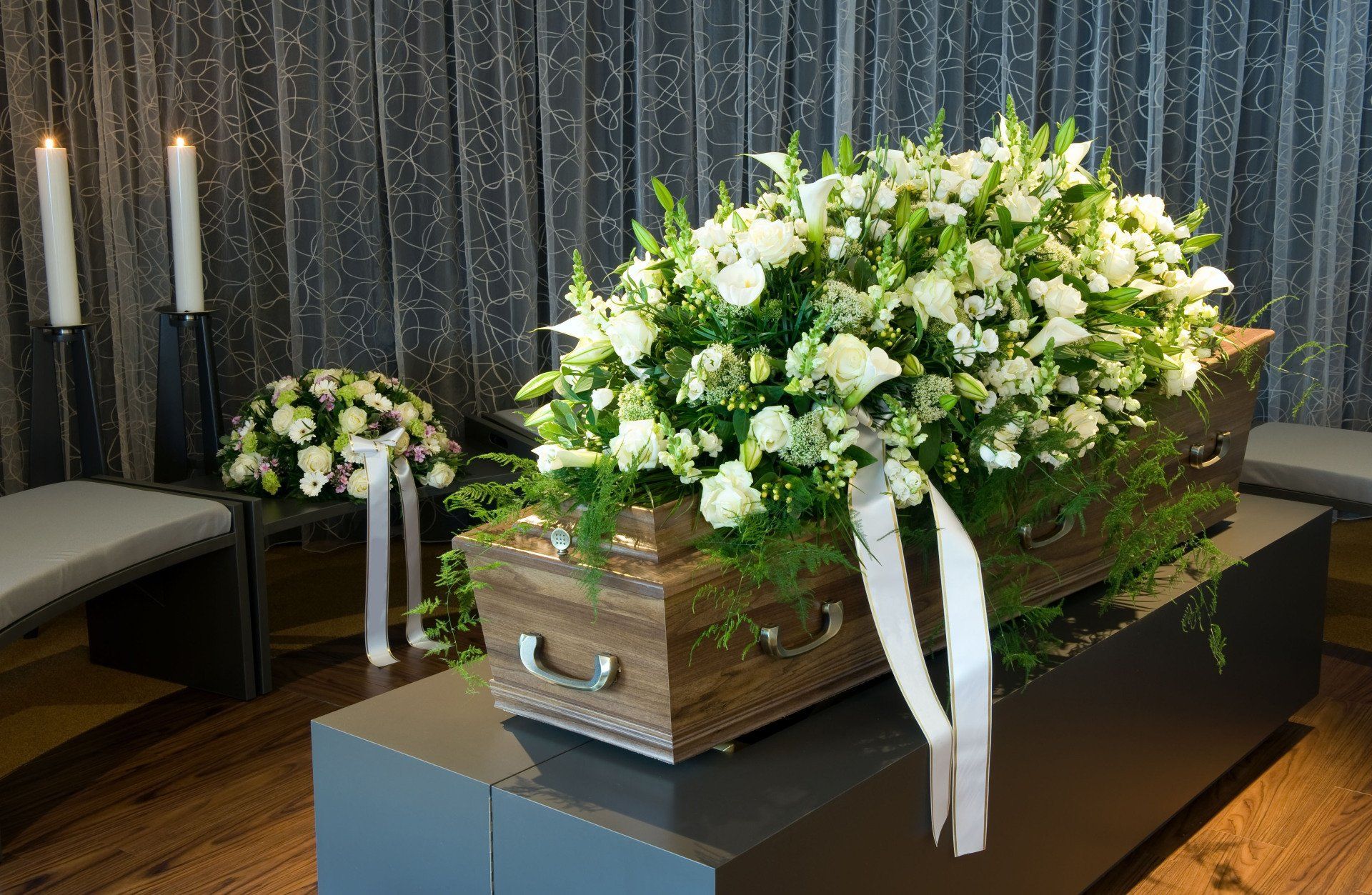
Families can collaborate on one large tribute or arrange several smaller pieces that surround a photograph, urn, or memorial table. When many people want to participate, planning together can prevent duplication and make sure each arrangement has a clear purpose. Funeral flower services can organize designs by relationship, placement, and size, helping families decide which pieces are appropriate for the casket, entrance, altar, reception area, or graveside. Thoughtful coordination helps every contribution feel meaningful.
Adding Symbolic Details
Flowers and design elements carry symbolic meanings that can deepen a tribute. Roses may express love, lilies can suggest peace, forget-me-nots may represent remembrance, and carnations are often associated with devotion. Greenery, branches, ribbons, and wreath shapes can also communicate ideas such as continuity, strength, or eternal life. Symbolism may come from cultural customs, religious beliefs, family traditions, or a personal interpretation that matters specifically to those grieving.
You do not need to follow traditional flower meanings exactly. A bloom may have special significance because of a private story, even if its conventional symbolism is different. Consider including a meaningful phrase on a ribbon, a small charm, a religious emblem, or a keepsake connected to the person’s heritage. Funeral flower services can incorporate these details with sensitivity and make sure they suit the arrangement’s size and placement. Symbolic touches are often most effective when they are simple and intentional.
Personalizing the Tribute Message
The card or ribbon message attached to an arrangement is another opportunity for personalization. Instead of using only a standard phrase, consider a favorite saying, nickname, short memory, song lyric, prayer, or expression the person often used. A few chosen words can make the tribute feel direct and heartfelt. The message should reflect the relationship between the sender and the person being remembered, whether it conveys love, gratitude, admiration, friendship, or a final farewell.
Because space may be limited, focus on language that is clear and emotionally honest. Longer messages can be placed in a separate card or displayed near the arrangement. Before printing, confirm the spelling of names, dates, and meaningful phrases. Funeral flower services can advise how much text fits comfortably on a ribbon or enclosure card and may offer formatting options. A personalized message reveals the bond being honored and can become a family keepsake.
Coordinating the Overall Display
Individual arrangements are most effective when they work with the service setting and memorial plan. Consider the size of the room, the location of the casket or urn, the presence of photographs, and whether flowers will be moved to a graveside service or reception. Large pieces may create a strong focal point, while smaller arrangements can soften entrances, guest-book tables, or memory displays. Planning placement in advance keeps meaningful details visible.
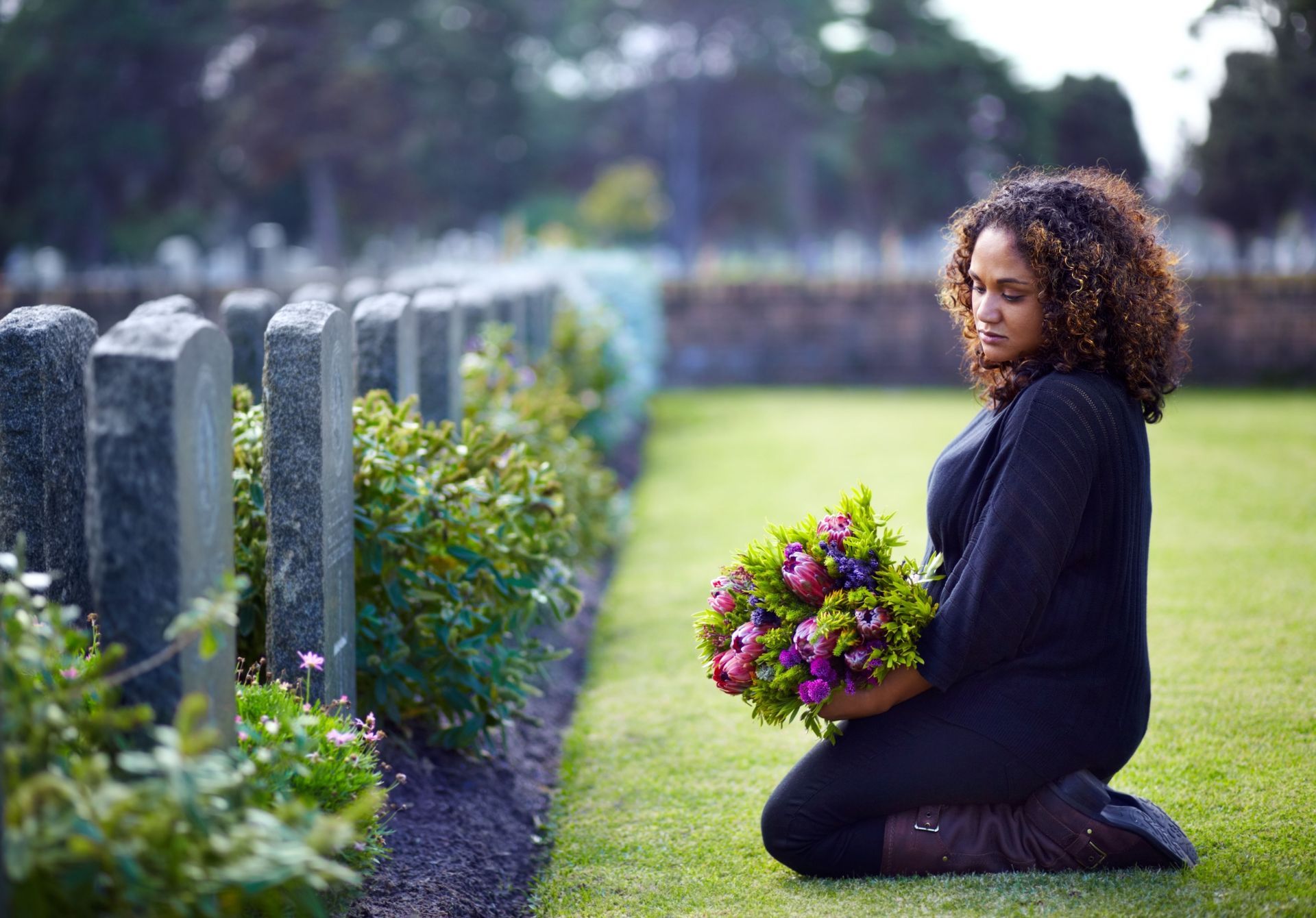
It is also helpful to decide what will happen to the flowers after the service. Families may take arrangements home, donate suitable pieces, place flowers at the gravesite, or share smaller bouquets with relatives and friends. Funeral flower services can design arrangements with these plans in mind, making certain pieces easier to divide or transport. Coordinating delivery, setup, and post-service use reduces stress and extends the tribute’s meaning beyond the ceremony.
Personalizing a funeral flower tribute is about representing a life through choices that feel genuine to the people who knew and loved that person. Meaningful flowers, personal colors, hobbies, relationships, symbols, messages, and thoughtful placement can all contribute to a display that invites remembrance and conversation. The most moving tribute does not have to be the largest or most expensive; it simply needs to reflect the individual with care. For compassionate guidance in creating a floral memorial that honors your loved one’s story, contact De Pere Greenhouse & Floral today.

Share On: